Games our students build, not games they play.
Every one of these is a real project from the programme, playable right here in the browser. They get harder in the same order a student meets them — a first game loop at eight, a dungeon that builds itself at sixteen. Nothing to install.
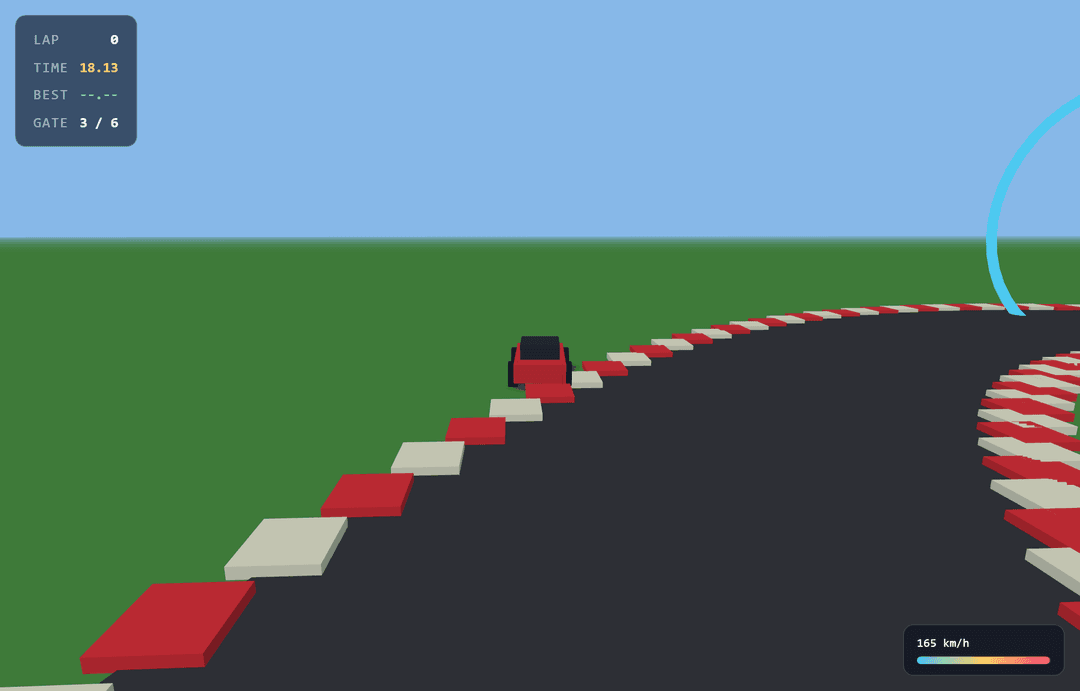
Circuit Racer
Six glowing gates round an oval. Beat your own best lap, with a computer car for company.
What it took to build: Acceleration and friction as plain arithmetic — no physics engine anywhere in the file.
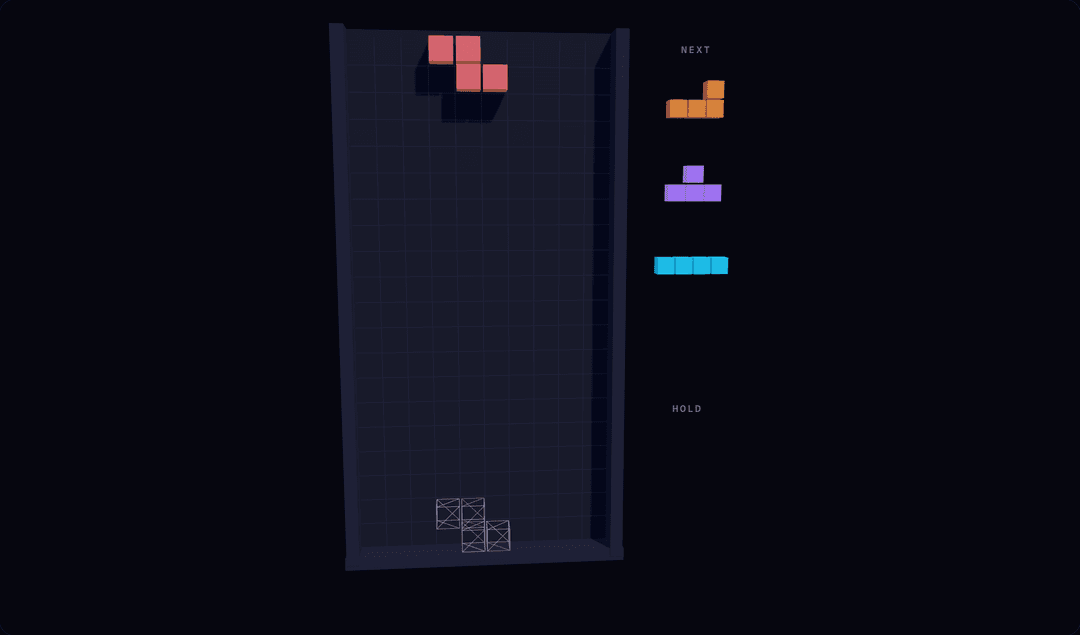
Block Stacker 3D
Seven shapes, one well. Turn them so they fit and clear the row.
What it took to build: Rotating a shape with matrix maths instead of writing out every position.

Rock Paper Scissors vs AI
It guesses your next move — and it gets better the longer you play.
What it took to build: What training data really is, and why a confident guess is still a guess.
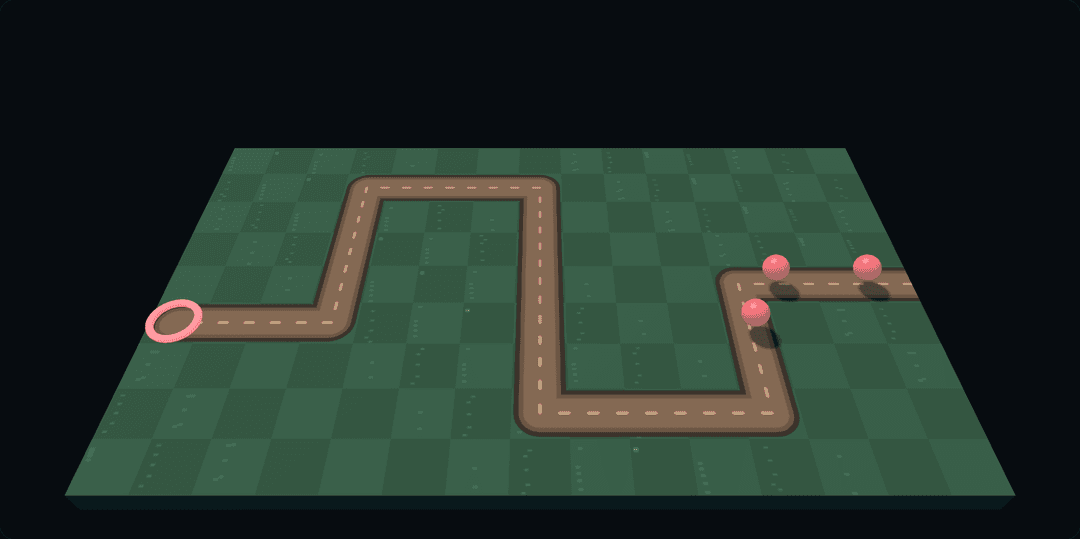
Tower Defence 3D
Enemies follow the road. You decide what is waiting at the bends.
What it took to build: Targeting, economy and trade-offs — three towers that are each bad at something.
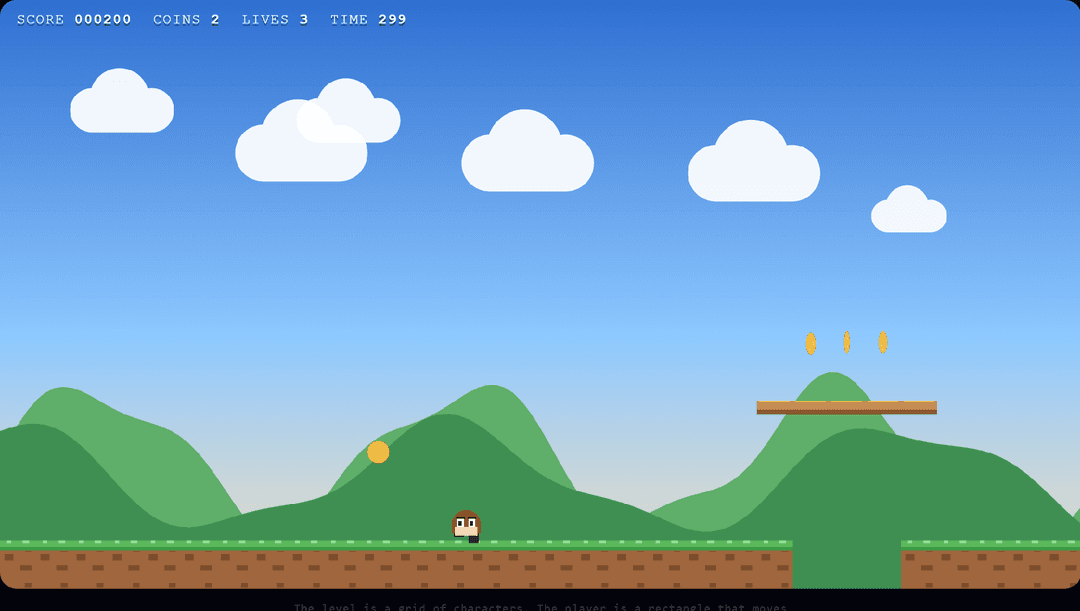
Pixel Run
Run, jump, stomp. A side-scroller with the level written as a grid of characters.
What it took to build: Tile collision one axis at a time, variable-height jumps, and why the camera lags the player.
Archive of the Walls
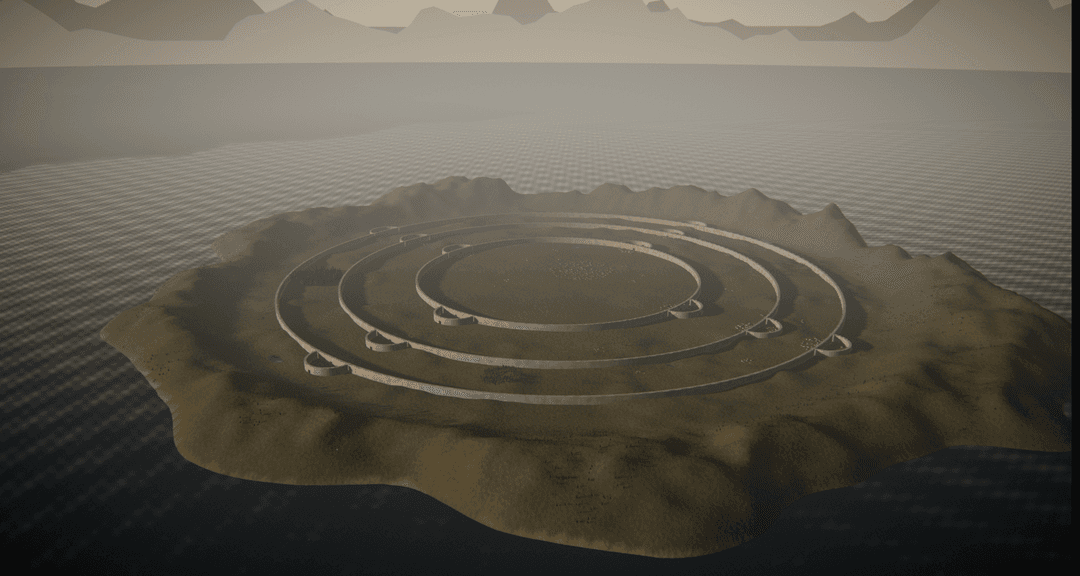
A scroll-driven 3D documentary about the world of Attack on Titan — the walls, the nine Titans and the whole story.
What it took to build: One scrubbed GSAP timeline driving a whole WebGL world: every chapter is just data the camera tweens to.
Flight Sim
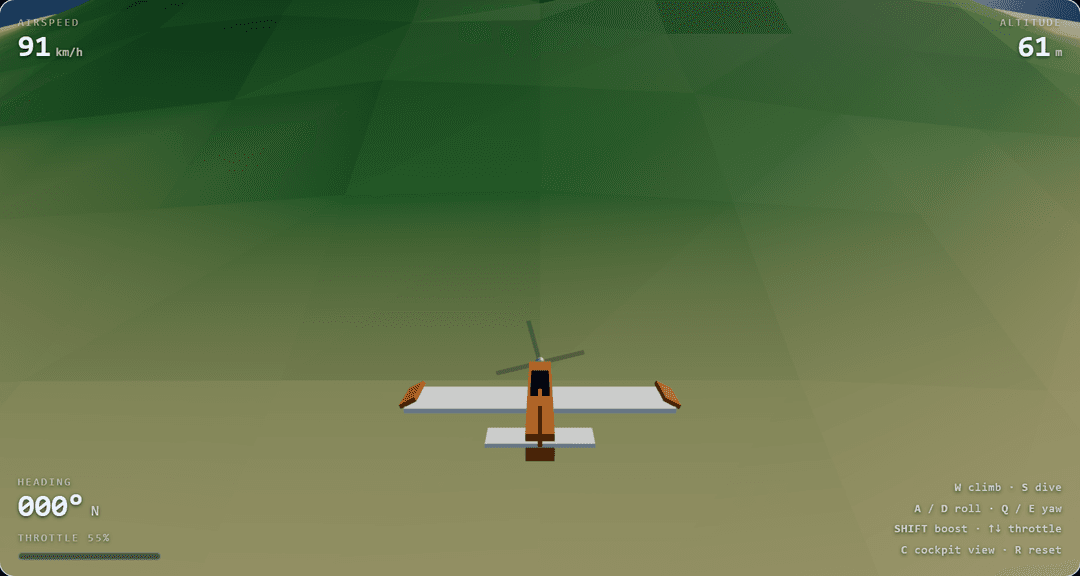
A little aeroplane over a scattering of islands. Nothing to crash into — just fly.
What it took to build: Four forces and the trade between them: climbing costs speed, speed buys lift.
Voxel World
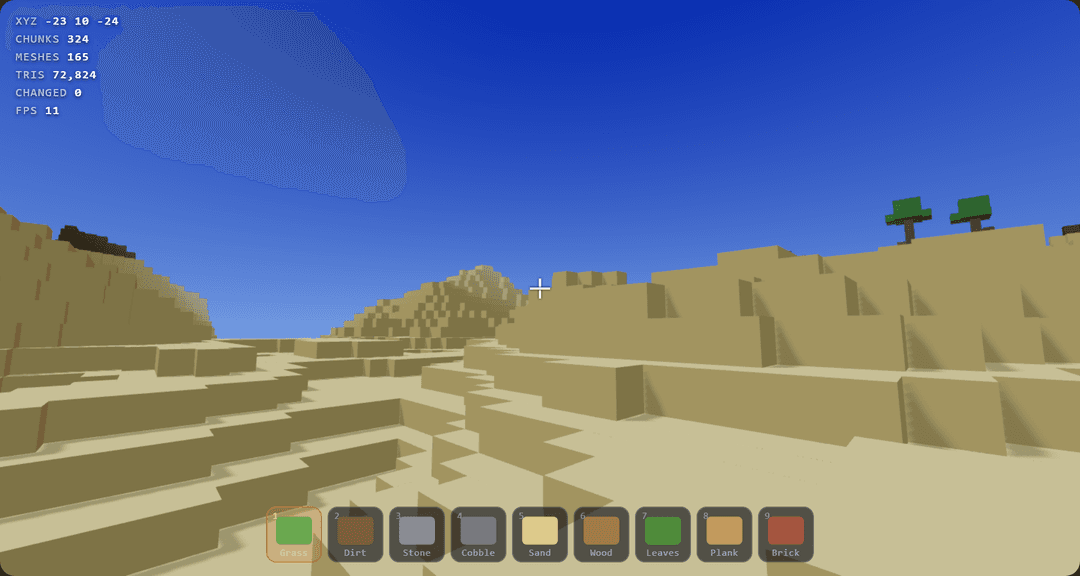
Endless blocky ground that builds itself as you walk and disappears behind you. Dig in, build back.
What it took to build: Greedy meshing — a flat 16×16 field of grass reaches the GPU as one rectangle instead of 256.
Sandbox World
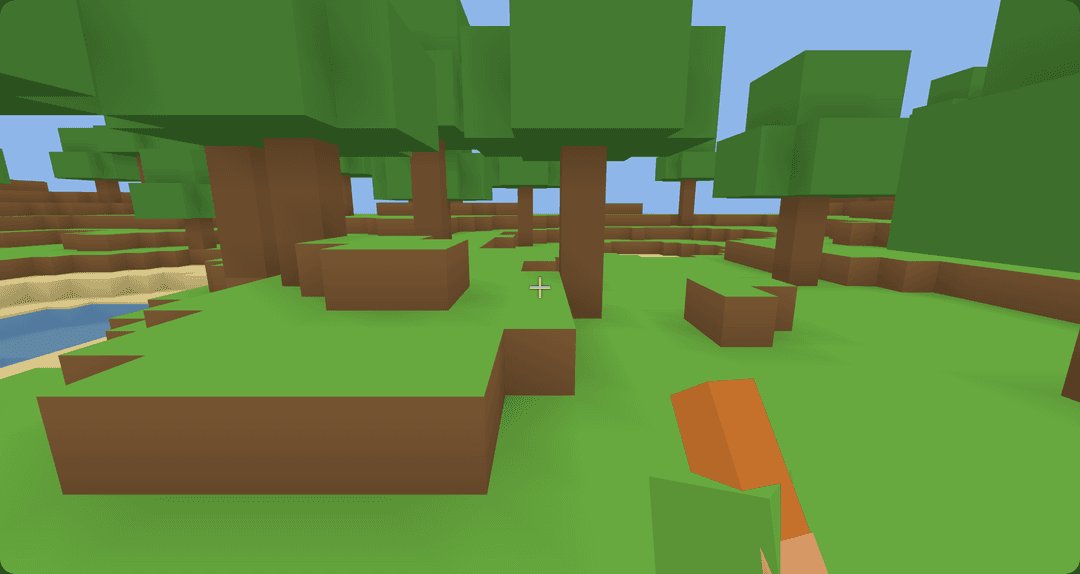
A world made of blocks. Walk in as a character you can see, dig it up, build it back.
What it took to build: Why you cannot just draw every cube — only the faces touching air ever reach the screen.
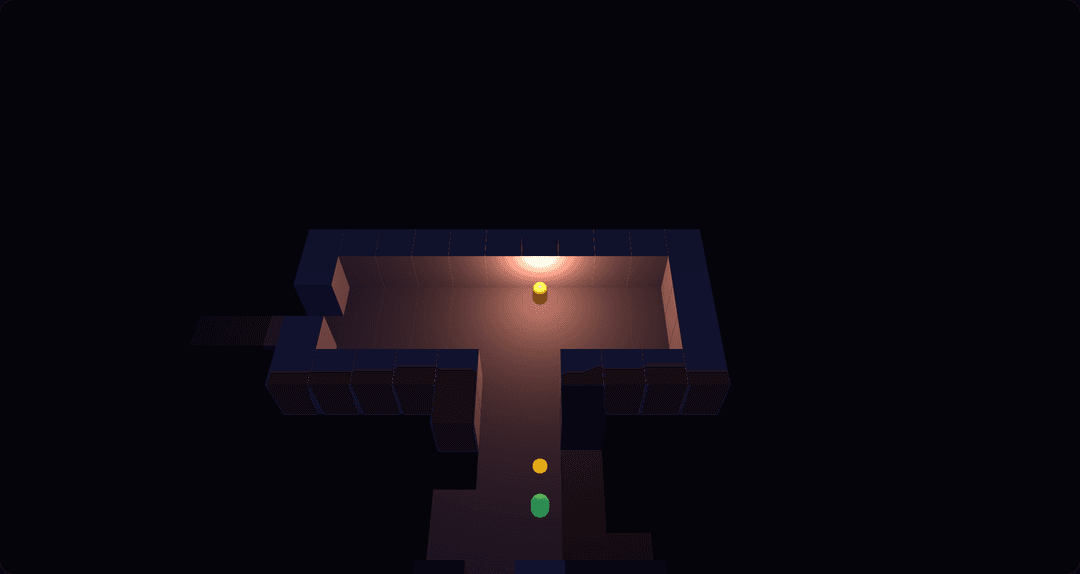
Dungeon Depths 3D
A dungeon nobody designed. Every floor is built by the program as you arrive.
What it took to build: Procedural generation and one breadth-first search shared by every monster.
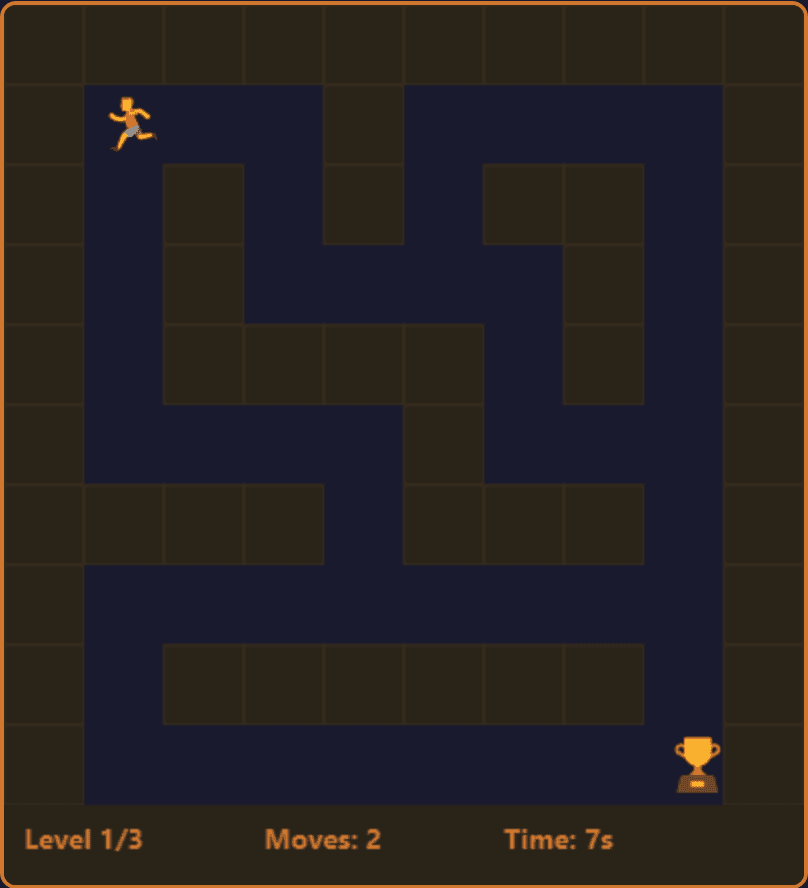
Maze Runner
Three mazes designed by a student, against the clock.
What it took to build: Level design, timers and keeping a best time.
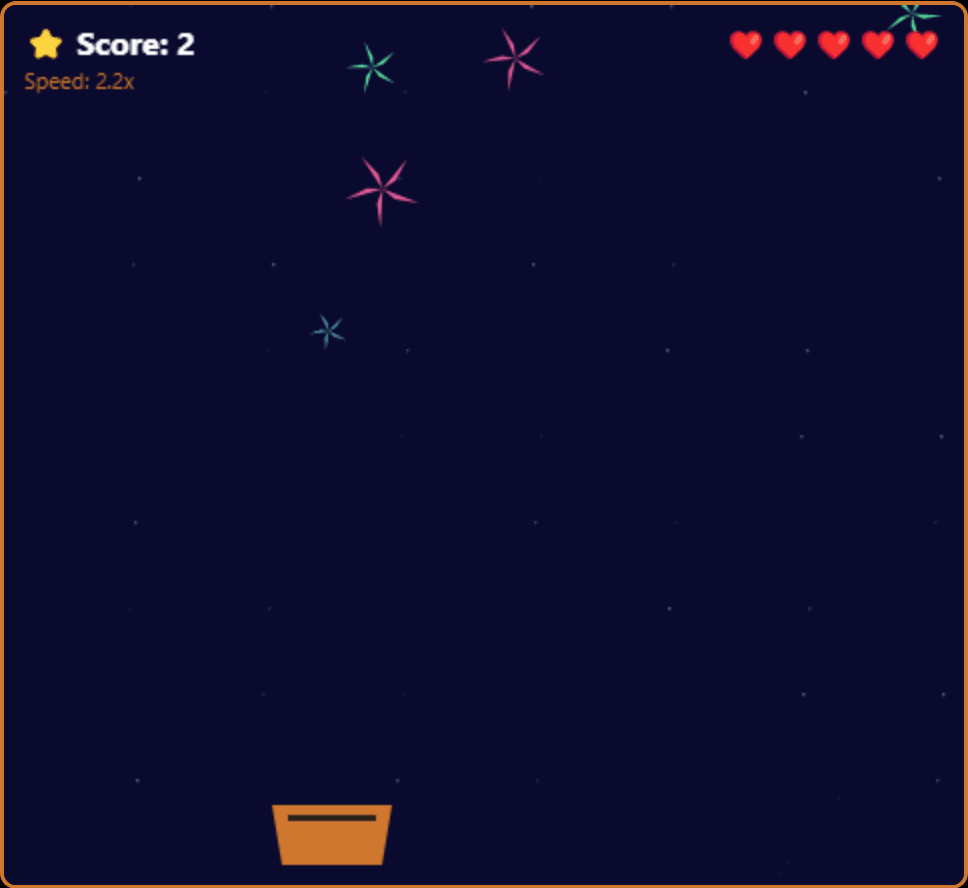
Catch the Falling Stars
Stars fall, the basket moves, and it speeds up as you score.
What it took to build: A score, lives, and the first game loop a child ever writes.
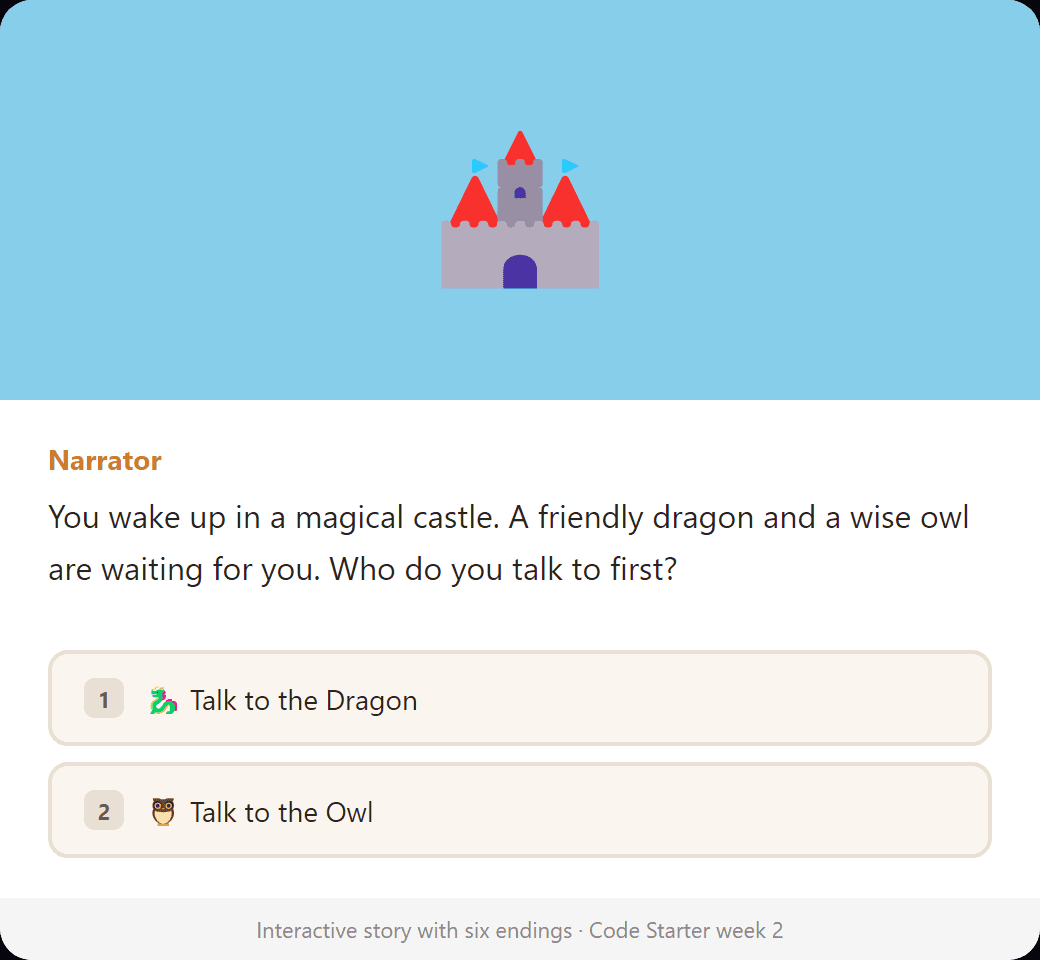
Interactive Story
Characters talk, you choose, and there are three different endings.
What it took to build: Branching choices — the first time a program depends on a decision.
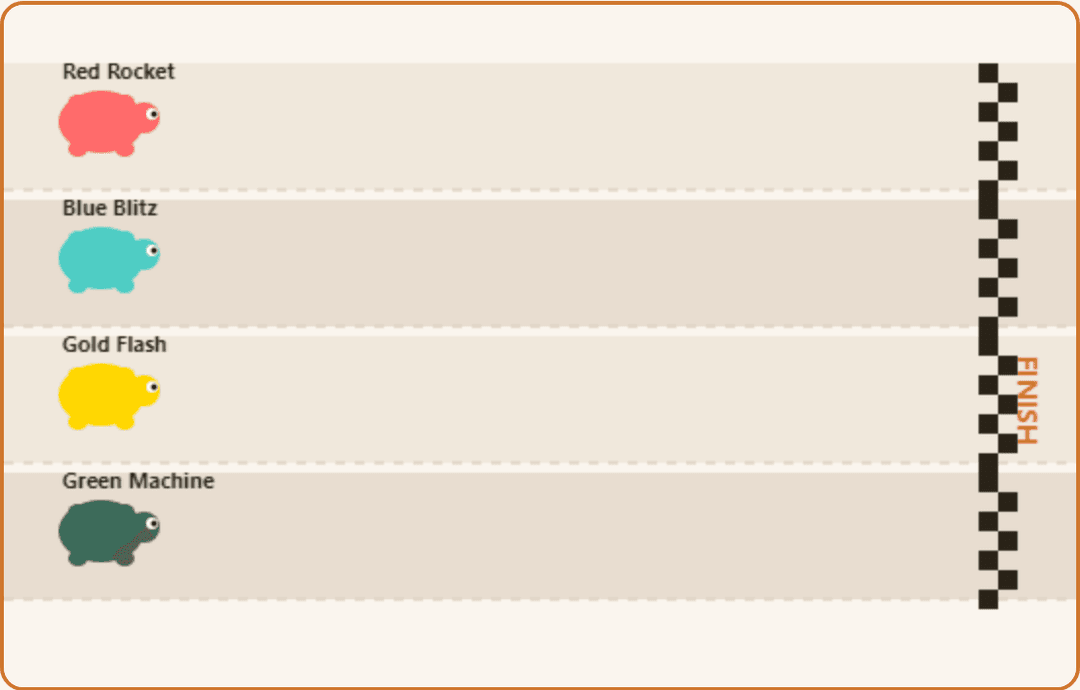
Turtle Race
Two turtles, random speeds, and a finish line.
What it took to build: Randomness, loops, and why the same code gives a different race.
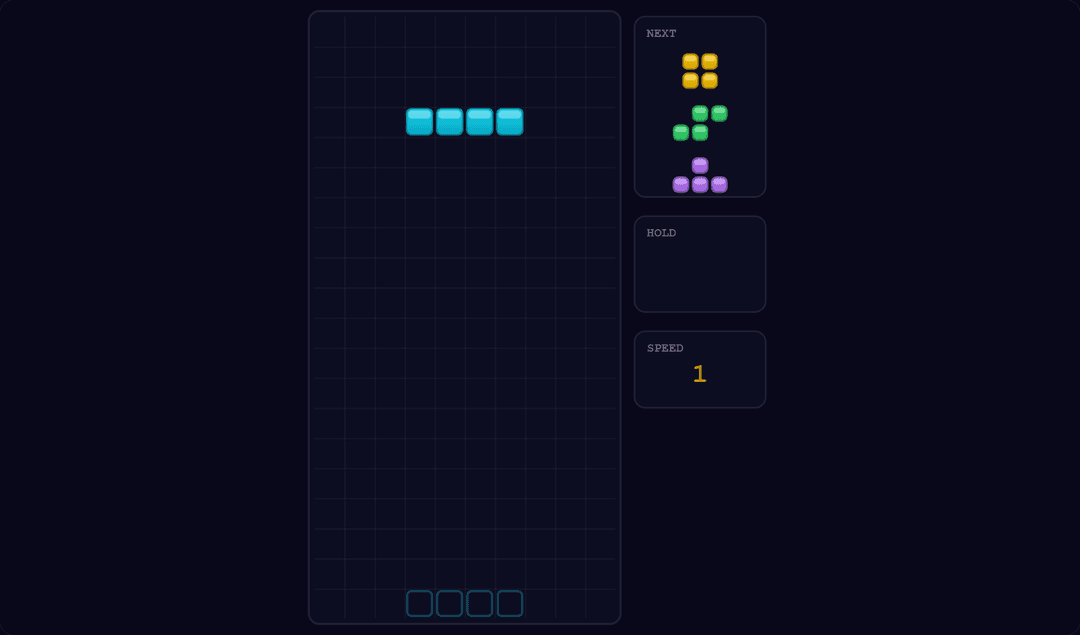
Block Stacker
The flat version — the well, the seven shapes, the ghost piece.
What it took to build: Same rotation maths, drawn with a 2D context.
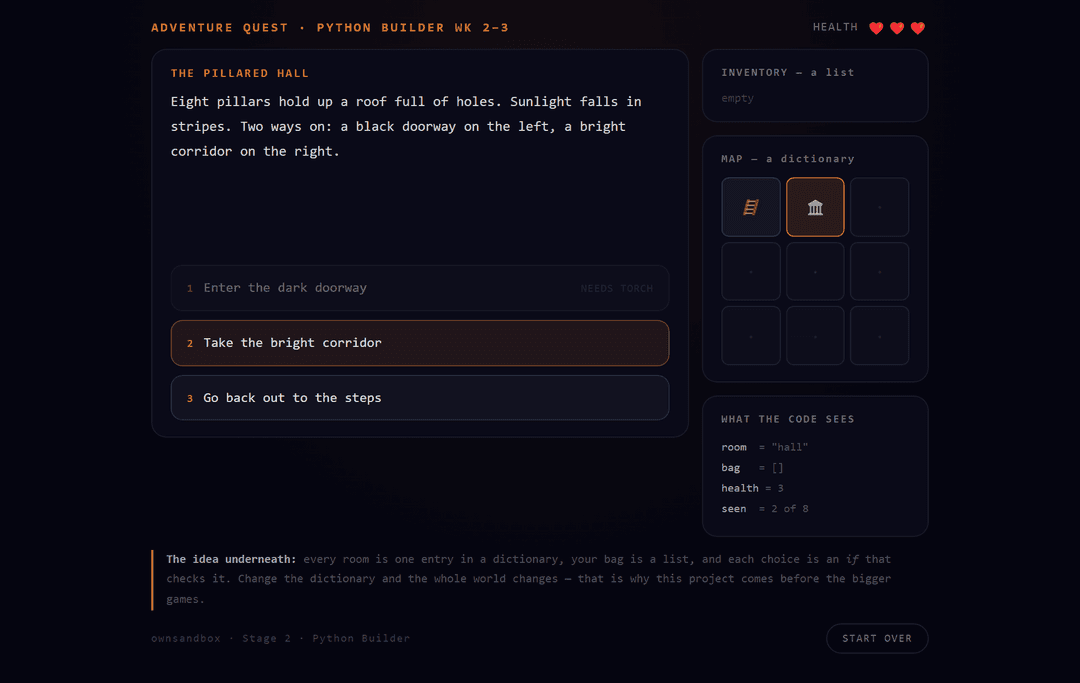
Adventure Quest
A temple of eight rooms, four items and doors that check your bag.
What it took to build: A list and a dictionary, shown live on screen while you play.
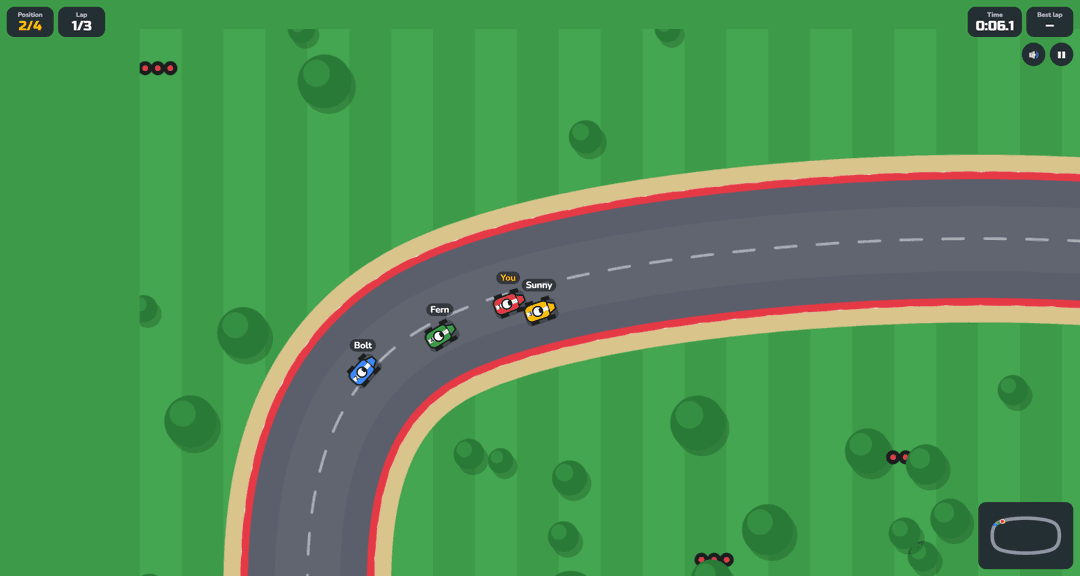
Mini Kart Race
Three laps against three computer karts. Hit the boost arrows, stay off the grass, finish first.
What it took to build: Steering with grip and drift, laps that count only the right way round, and rivals that brake for corners.
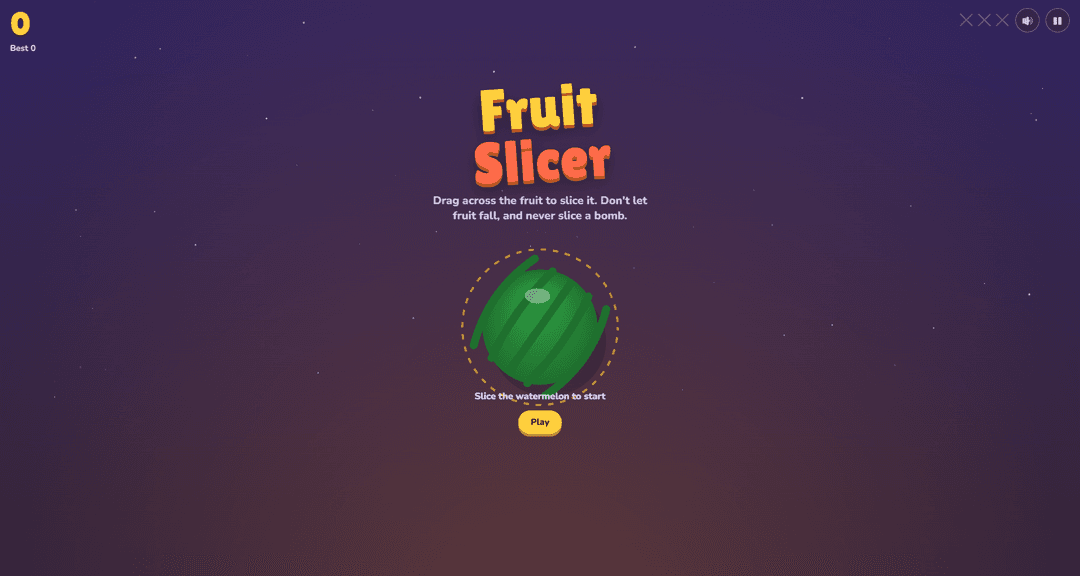
Fruit Slicer
Swipe through the fruit as it flies up. Miss three and it is over — and never slice a bomb.
What it took to build: Testing a swipe against moving circles, gravity in two lines, and combos that reward one long cut.
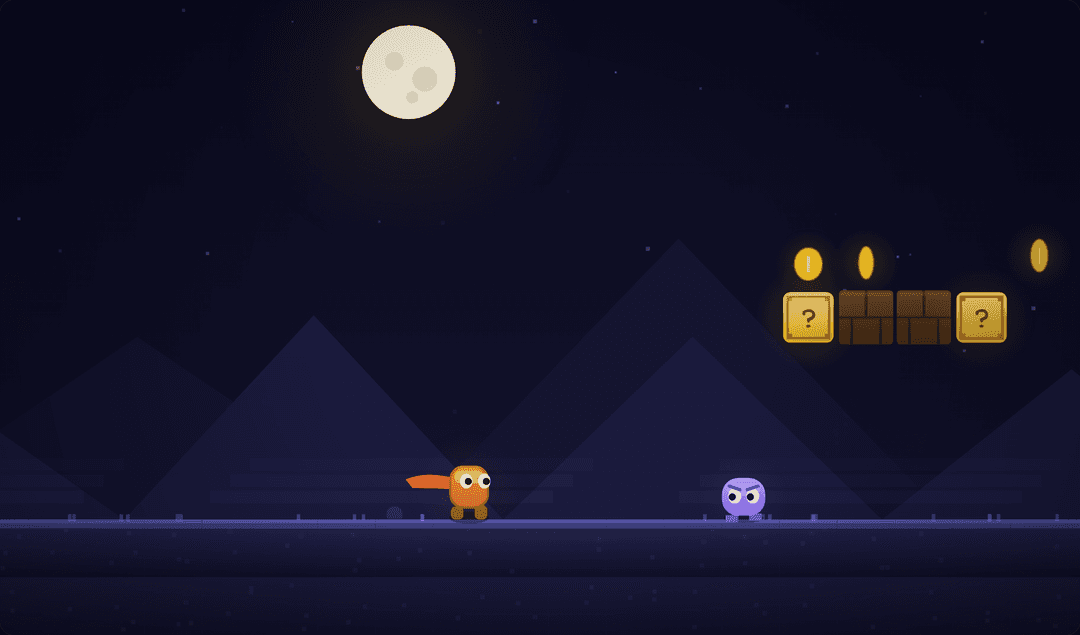
Night Run
Run, jump the pits, land on the crawlers. Reach the flag.
What it took to build: Tile collision, camera follow, and a jump that has to feel fair.
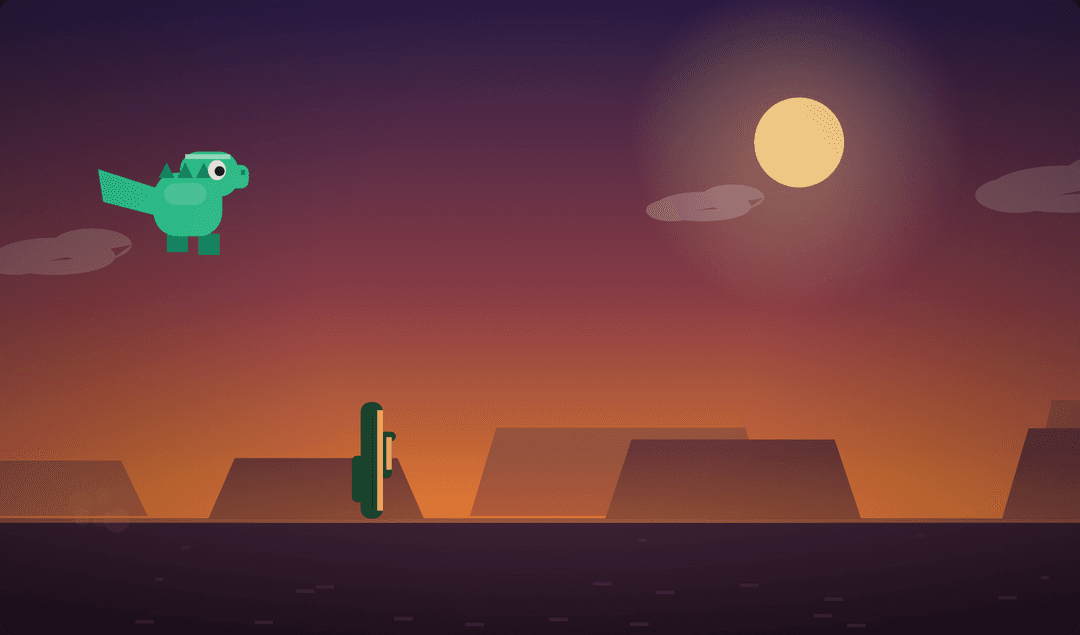
Dino Dash
She runs on her own. You choose when to jump and when to duck.
What it took to build: An endless world generated as it scrolls, with difficulty that ramps.
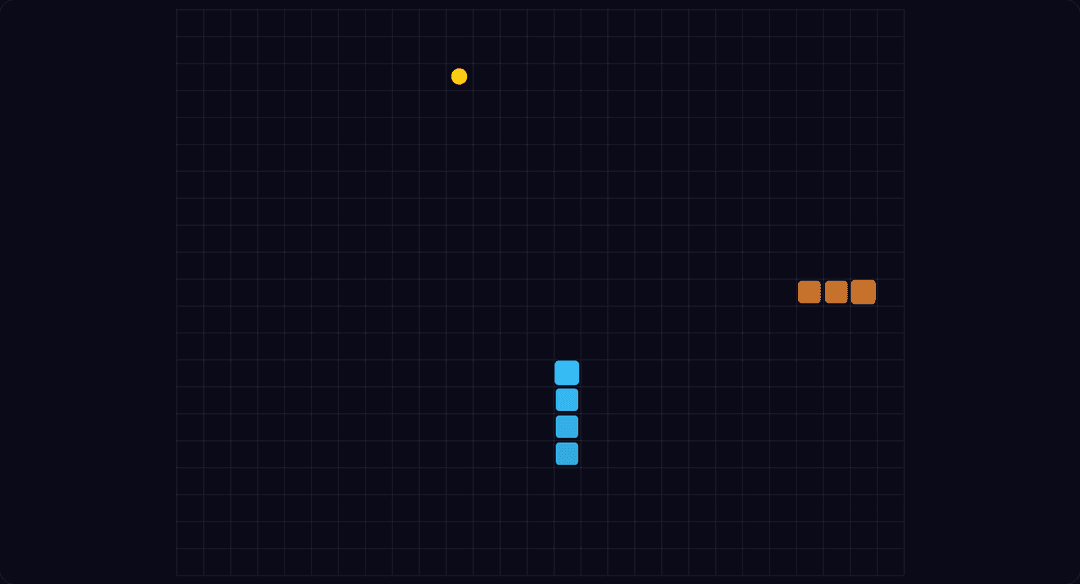
Snake Duel
Two snakes, one grid. Play a friend, or the computer.
What it took to build: An opponent that looks ahead for food and avoids dead ends.
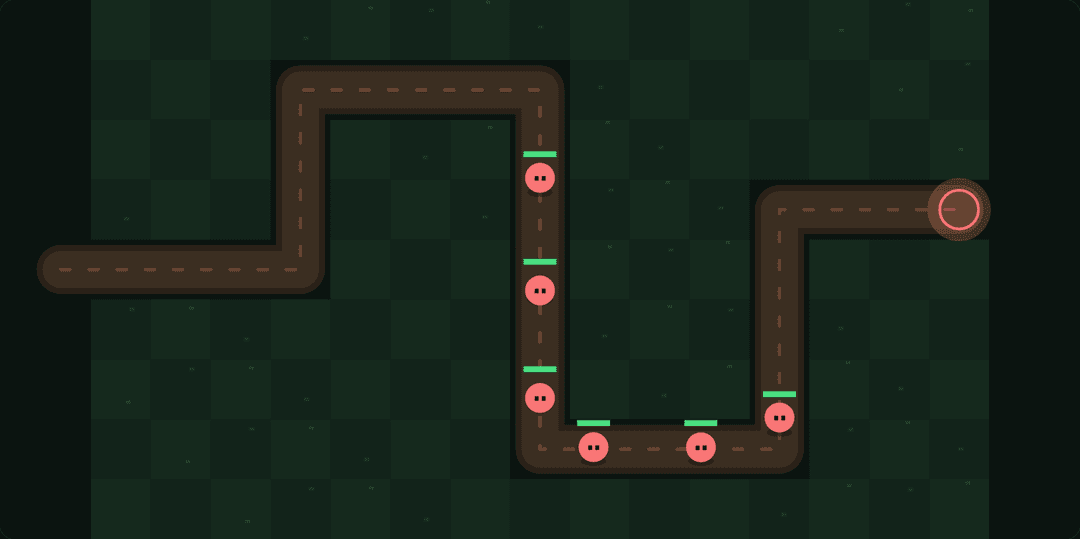
Tower Defence
The flat version of the 3D game — same rules, drawn in 2D.
What it took to build: Exactly the same logic behind a different renderer.
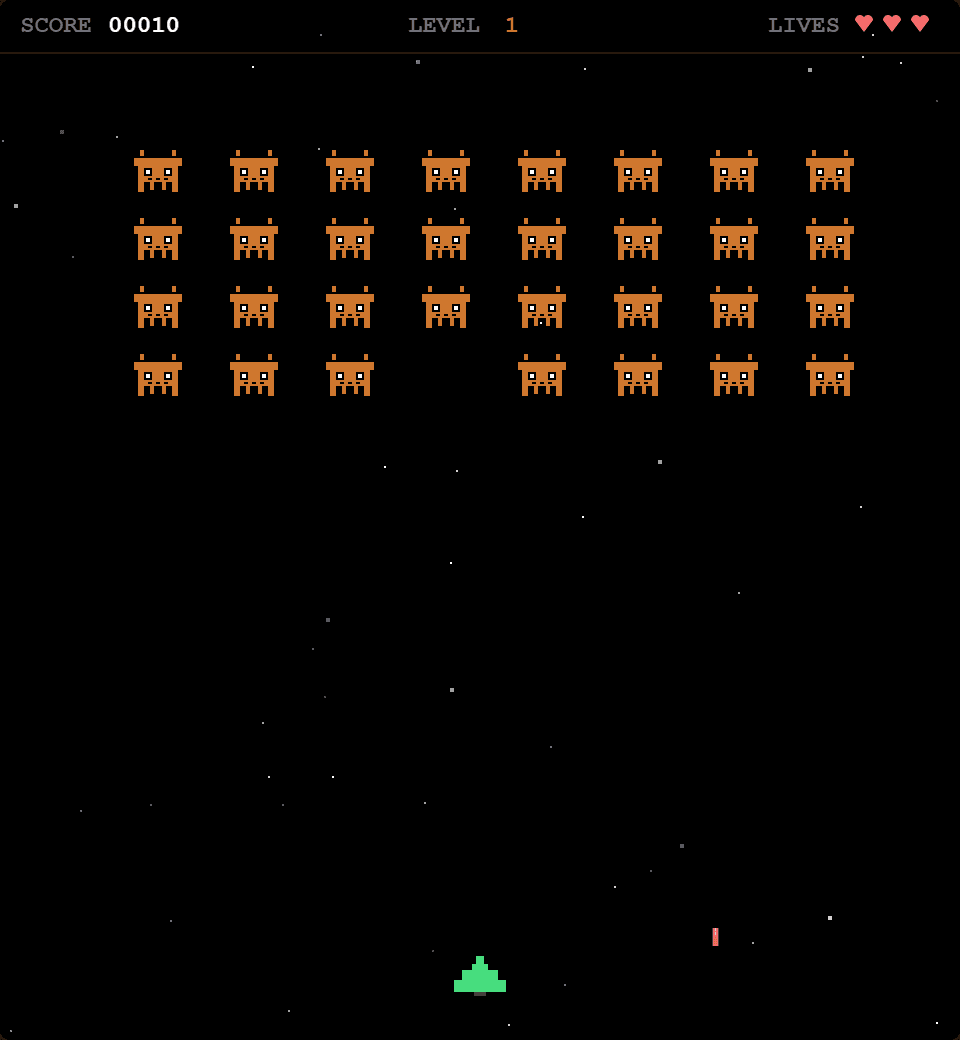
Space Invaders
The arcade classic — waves that drop lower every time you clear one.
What it took to build: Arrays of enemies, collision detection and a difficulty curve.
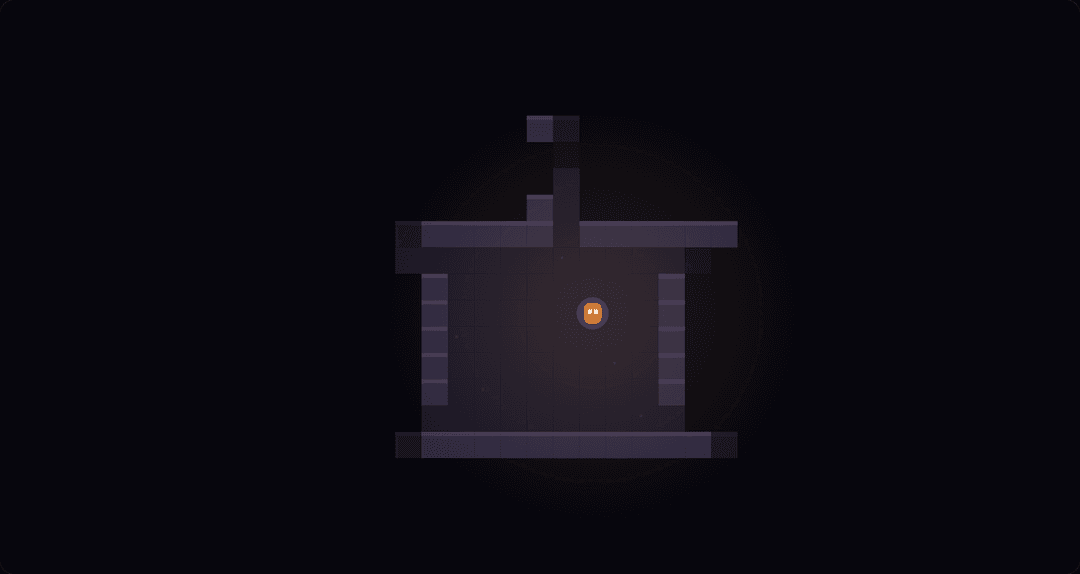
Dungeon Depths
The flat version — rooms, corridors, torchlight and monsters.
What it took to build: The same generator and the same search, seen from above.